
Skin Cancer in Children and Teens: Causes, Symptoms & How to Protect Young Skin
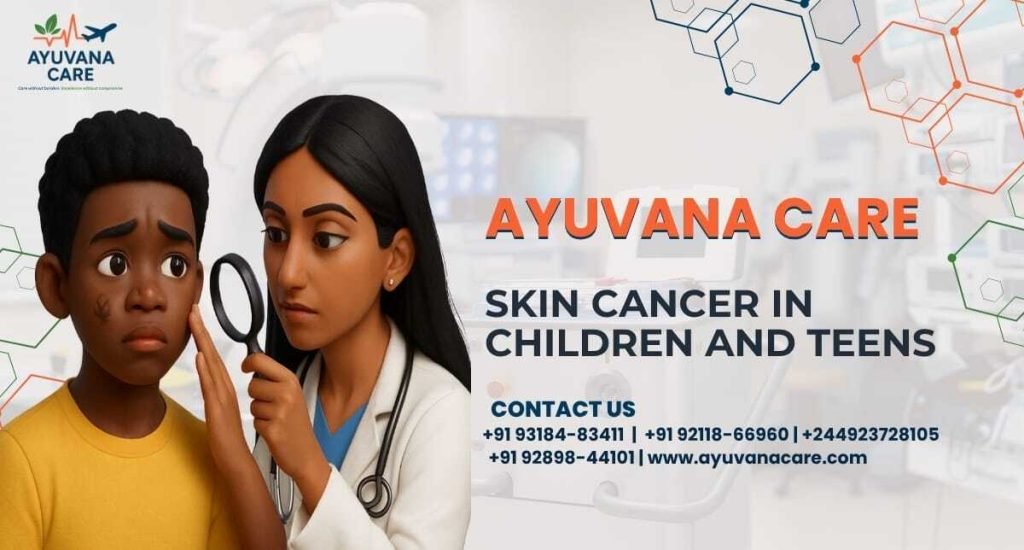
Skin cancer is often considered a disease that affects older adults. However, skin cancer in children and teens is a growing concern among healthcare professionals and parents alike. The increasing exposure to harmful ultraviolet (UV) radiation and lifestyle changes have made children and adolescents more vulnerable to skin-related issues, including cancer.
In this blog, we will cover the major causes, symptoms, and prevention strategies related to skin cancer in children and teens, helping parents and caregivers stay informed and take proactive steps for early detection and protection.
What is Skin Cancer in Children and Teens?
Skin cancer in children and teens refers to the abnormal growth of skin cells that may develop into cancerous tumors. While it’s much rarer in younger people compared to adults, the risk is still significant and should not be underestimated.
There are three major types of skin cancer that can affect children and teenagers:
- Basal Cell Carcinoma (BCC): The most common form, usually appearing as a small, shiny bump.
- Squamous Cell Carcinoma (SCC): Often develops as red, scaly patches or sores.
- Melanoma: The most dangerous and aggressive form, capable of spreading to other parts of the body.
Melanoma accounts for the majority of serious cases of skin cancer in children and teens, though non-melanoma types are also diagnosed.
Causes of Skin Cancer in Children and Teens
Understanding what causes skin cancer in children and teens is essential for prevention. Several factors contribute to the risk:
1. Ultraviolet (UV) Exposure
The number one cause of skin cancer in children and teens is prolonged exposure to the sun’s harmful UV rays. Children who spend a lot of time outdoors without proper sun protection are more likely to suffer skin damage that can lead to cancer later in life.
2. Sunburns at an Early Age
Studies show that even one severe sunburn during childhood can double the risk of developing melanoma in adulthood. Frequent sunburns are a red flag and should be taken seriously.
3. Family History
Genetics also play a role in skin cancer in children and teens. If a close family member has been diagnosed with skin cancer, the child may be at a higher risk due to inherited genetic traits.
4. Fair Skin and Light Features
Children with fair skin, blonde or red hair, and light-colored eyes are more susceptible because their skin contains less melanin, a pigment that offers some protection against UV radiation.
5. Weakened Immune System
Children undergoing treatments like chemotherapy or those with immune system disorders have a reduced ability to repair DNA damage in skin cells, increasing the risk of skin cancer in children and teens.
Symptoms of Skin Cancer in Children and Teens
Recognizing early symptoms is crucial for successful treatment of skin cancer in children and teens. Parents and caregivers should keep an eye out for the following signs:
1. Changes in Moles or Spots
Any mole that changes in size, shape, or color should be checked by a dermatologist. Melanoma often develops from existing moles.
2. Persistent Sores
Sores that do not heal within a few weeks, especially those that bleed or ooze, may be an indication of skin cancer.
3. Red, Scaly Patches
These may indicate squamous cell carcinoma and are often mistaken for eczema or rashes.
4. New Growths
Any new growth on the skin that looks unusual or feels different from the rest of the skin could be a potential sign of skin cancer in children and teens.
5. Streaks Under Fingernails or Toenails
Dark lines under the nails are uncommon but may indicate a rare form of melanoma.
Diagnosing Skin Cancer in Children and Teens
If a suspicious spot is found, a dermatologist may conduct a skin examination and possibly perform a biopsy to determine whether the growth is cancerous. Diagnosing skin cancer in children and teens early significantly improves the chances of effective treatment and full recovery.
Treatment Options for Skin Cancer in Children and Teens
Treatment depends on the type and stage of cancer. Common treatment options include:
- Surgical Removal: The most effective treatment for early-stage skin cancer.
- Cryotherapy: Freezing cancer cells with liquid nitrogen.
- Topical Medications: Creams that target abnormal skin cells.
- Radiation Therapy: Used in cases where surgery is not possible or the cancer has spread.
- Immunotherapy or Targeted Therapy: For advanced cases, these therapies help the body’s immune system fight the cancer.
The success rate for treating skin cancer in children and teens is very high when caught early.
How to Protect Young Skin

Preventing skin cancer in children and teens starts with simple but consistent practices:
1. Daily Sunscreen Use
Apply broad-spectrum sunscreen with at least SPF 30 to all exposed areas of the skin every day, even on cloudy days.
2. Avoid Peak Sun Hours
Keep children indoors between 10 a.m. and 4 p.m., when the sun’s rays are strongest.
3. Protective Clothing
Use hats, sunglasses, and lightweight long-sleeved shirts during outdoor activities.
4. Regular Skin Checks
Teach children to be aware of changes in their skin and schedule regular skin check-ups with a dermatologist.
5. Avoid Tanning Beds
Teens should never use tanning beds, as these significantly increase the risk of skin cancer in children and teens.
Educating Children and Teens
Awareness is key. Educate your child about the dangers of too much sun and the importance of sun safety. By making sun protection a normal part of daily life, you can significantly reduce their long-term risk.
Conclusion
Skin cancer in children and teens may be rare, but it is very real and potentially dangerous. With increasing UV exposure and changes in lifestyle, parents must remain vigilant. Knowing the causes and symptoms, seeking early diagnosis, and using effective protection methods can make a significant difference.
By prioritizing education and prevention, we can safeguard our children’s skin health and reduce the risk of skin cancer in children and teens for years to come.