
Recognizing the Warning Signs: Top 10 Early Signs of Cervical Cancer
Cervical cancer is one of the most common cancers affecting women worldwide. While it progresses slowly, it can be fatal if not detected early. The good news? It often presents symptoms in its early stages — but only if you know what to look for. Recognizing the Early Signs of Cervical Cancer is essential for timely diagnosis, treatment, and better survival rates.
In this blog, we’ll walk you through the Top 10 Early Signs of Cervical Cancer, how to identify them, and what actions you should take if you notice any of them.
Why Recognizing the Early Signs of Cervical Cancer Matters
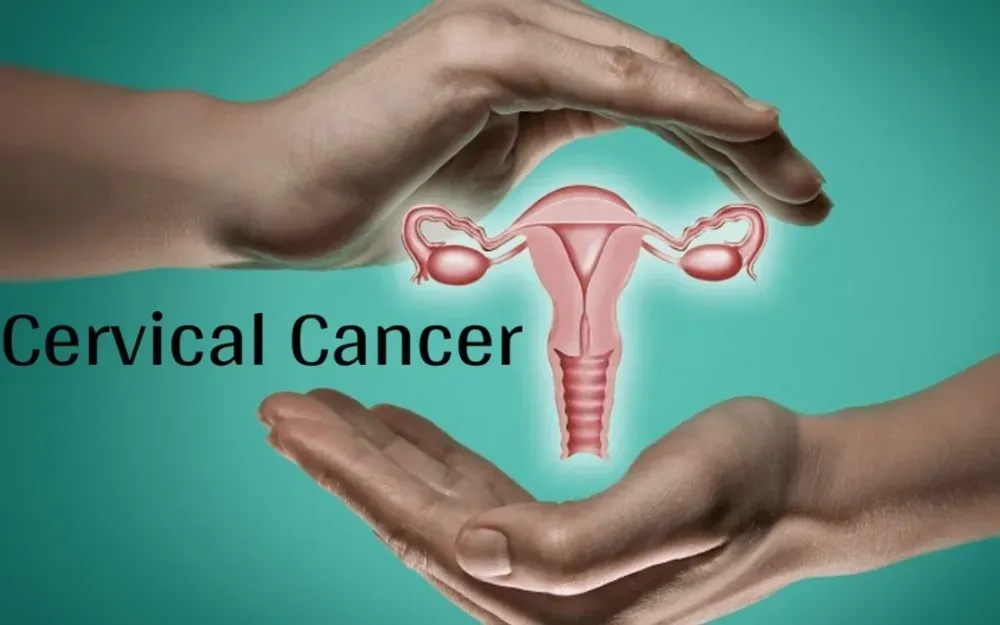
Cervical cancer begins in the cervix — the lower part of the uterus that connects to the vagina. In most cases, it’s caused by persistent infection with high-risk types of the human papillomavirus (HPV). Regular screening like Pap smears and HPV tests can detect abnormal cells before they become cancerous.
However, not all women get screened regularly. That’s why being aware of the Early Signs of Cervical Cancer can literally save lives.
Top 10 Early Signs of Cervical Cancer
Here are the most common warning that could indicate the presence of cervical cancer:
1. Unusual Vaginal Bleeding
One of the most noticeable Early Signs of Cervical Cancer is abnormal vaginal bleeding. This may include:
- Bleeding between menstrual periods
- Bleeding after sex
- Bleeding after menopause
If you experience any of these symptoms, consult a healthcare provider immediately.
2. Foul-Smelling Vaginal Discharge
Changes in vaginal discharge are another red flag. You may notice:
- A foul or strong odor
- A watery, pink, or brown color
- Discharge that occurs more frequently than usual
This is one of the overlooked Signs of Cervical Cancer, but it’s crucial to take seriously.
3. Pain During Intercourse (Dyspareunia)
Persistent or sharp pain during sexual intercourse can be alarming. It may indicate that cancer cells are affecting the cervix or surrounding tissues. If this discomfort is ongoing, consider it one of the possible Early Signs of Cervical Cancer.
4. Pelvic Pain or Lower Back Pain
Consistent pain in the pelvic region or lower back is often a symptom of many gynecological issues, but it’s also among the Early Signs of Cervical Cancer, especially if it’s unexplained or accompanied by other symptoms.
5. Pain While Urinating
If you feel a burning sensation, pain, or notice blood in your urine, don’t ignore it. Painful urination can occur when cervical cancer has spread to the bladder — making this another significant Sign of Cervical Cancer.
6. Menstrual Irregularities
While irregular periods can be caused by various factors, consistent changes in your cycle — such as heavy bleeding, longer duration, or spotting between periods — could be linked to the Early Signs of Cervical Cancer.
7. Unexplained Fatigue
If you’re constantly feeling weak or tired without any obvious cause, it may be due to internal bleeding or the body’s response to cancer. Persistent fatigue is often reported in women with Early Signs of Cervical Cancer.
8. Unintended Weight Loss
Rapid weight loss without any lifestyle or dietary changes is concerning. In many cases, weight loss is one of the later but still crucial Early Signs of Cervical Cancer that shouldn’t be ignored.
9. Swelling in Legs
Swelling in one or both legs, especially when accompanied by pain or discomfort, can occur when cancerous growths block blood flow or lymphatic drainage. This physical change is among the more serious Early Signs of Cervical Cancer.
10. Feeling Full Quickly or Loss of Appetite
Some women report a sudden loss of appetite or feeling full after eating very little. While this symptom is common in gastrointestinal issues, it can also be considered one of the Early Signs of Cervical Cancer.
When to See a Doctor
If you notice one or more of these Early Signs of Cervical Cancer, it’s important to:

- Schedule a pelvic exam
- Request a Pap smear and HPV test
- Discuss your complete symptom history
- Seek a second opinion if necessary
Early detection leads to a higher success rate of treatment and lowers the risk of complications.
Who Is at Risk?
While all women are at risk, certain factors increase the chances of developing cervical cancer:
- Multiple sexual partners
- Early sexual activity
- Smoking
- Long-term use of birth control pills
- Weak immune system
- Lack of regular screening
If you fall into one or more of these categories, staying aware of the Early Signs of Cervical Cancer becomes even more critical.
Prevention Tips
Though cervical cancer is serious, it’s also largely preventable. Here’s how you can reduce your risk:
- Get HPV Vaccinated – Protect yourself from the most dangerous HPV strains.
- Regular Screening – Don’t skip your Pap tests or HPV screenings.
- Practice Safe Sex – Use protection and limit the number of sexual partners.
- Quit Smoking – Tobacco increases your risk of many cancers, including cervical.
Know the Signs – Stay informed about the Early Signs of Cervical Cancer.
Final Thoughts
Being informed is your first line of defense against cervical cancer. Recognizing the Early Signs of Cervical Cancer can make a life-saving difference. From unusual bleeding to pelvic pain and weight loss, these symptoms shouldn’t be ignored.
Encourage the women in your life — sisters, mothers, daughters, and friends — to get regular screenings and stay vigilant about their health. Awareness is power.