Thyroid Cancer Risk Factors You Shouldn’t Ignore in 2025
Thyroid cancer has become increasingly common over the last few decades, and with advancements in diagnostic tools, more cases are being detected at earlier stages. However, awareness about the Thyroid Cancer Risk Factors still remains relatively low among the general population. As we step into 2025, it’s more important than ever to understand what could increase your risk — so you can act early and stay proactive about your health.
This blog explores the Thyroid Cancer Risk Factors You Shouldn’t Ignore in 2025, including lifestyle, genetic, and environmental influences that may make some individuals more susceptible than others.
What Is Thyroid Cancer?
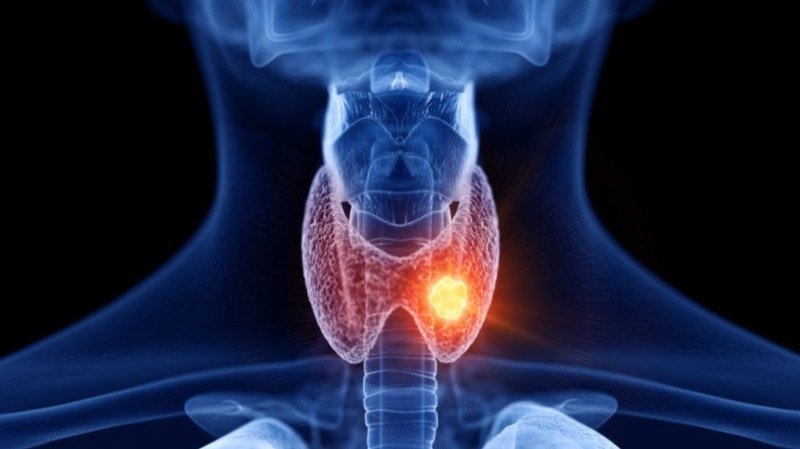
Thyroid cancer occurs in the thyroid gland — a small, butterfly-shaped organ located in the front of the neck that regulates metabolism, heart rate, and body temperature. While most thyroid cancers are treatable, early detection is key. Knowing the Thyroid Cancer Risk Factors is the first step toward prevention and timely diagnosis.
Why Understanding Thyroid Cancer Risk Factors Matters in 2025
With increasing environmental pollution, lifestyle stress, and rising exposure to radiation (medical imaging, for example), the incidence of thyroid cancer is slowly rising. The year 2025 brings with it an emphasis on preventive healthcare, and recognizing the Thyroid Cancer Risk Factors can help you:
- Detect symptoms early
- Seek regular check-ups
- Make lifestyle changes
- Inform family members at risk
Let’s now dive into the key Thyroid Cancer Risk Factors You Shouldn’t Ignore in 2025.
1. Gender and Age
One of the most notable Thyroid Cancer Risk Factors is gender. Women are 3 times more likely to develop thyroid cancer than men. It most commonly occurs between the ages of 30 and 50 in women and slightly older in men.
Why? Hormonal fluctuations, especially during pregnancy or menopause, may influence thyroid function and contribute to cell mutation.
2. Family History and Genetics
If someone in your immediate family has had thyroid cancer or thyroid disorders, your risk increases significantly. Hereditary conditions like familial medullary thyroid carcinoma (FMTC) and multiple endocrine neoplasia (MEN) syndrome are genetic red flags.
This makes genetic predisposition one of the most important Thyroid Cancer Risk Factors to monitor. In 2025, affordable genetic testing can help you assess this risk more accurately than ever before.
3. Exposure to Radiation
Radiation exposure — especially during childhood — is a well-documented risk factor. People who have undergone radiation treatment to the neck or head (for acne, tonsils, or cancers) have an elevated risk of thyroid cancer.
In modern times, medical imaging like CT scans and X-rays also expose us to radiation. While generally safe, repeated or unnecessary scans can contribute to cumulative exposure, placing you in the category of heightened Thyroid Cancer Risk Factors.
4. Iodine Deficiency or Excess
The thyroid gland uses iodine to produce hormones. Both iodine deficiency and excess can disturb this balance, leading to nodules or abnormal thyroid function. In regions where iodine is not adequately present in salt or food, the risk increases.
As dietary patterns change in 2025, it’s essential to ensure proper iodine levels — either naturally or through supplements — to avoid adding to your Thyroid Cancer Risk Factors.
5. Chronic Thyroid Conditions
People with chronic thyroid diseases such as Hashimoto’s thyroiditis or goiter are more prone to developing cancerous growths in the thyroid.
Even though not all nodules or goiters are cancerous, they do raise suspicion and are considered relevant Thyroid Cancer Risk Factors. If you already have a thyroid condition, regular ultrasound monitoring is essential.
6. Obesity and Unhealthy Lifestyle
Obesity can disrupt hormone levels, increase inflammation, and create metabolic imbalances — all of which are increasingly being linked to cancers, including thyroid.
As sedentary lifestyles and processed diets continue to be part of modern life, obesity has become a more prominent player among Thyroid Cancer Risk Factors in 2025.
7. Environmental Pollutants and Endocrine Disruptors
Chemicals like BPA (found in plastics), pesticides, and industrial toxins can interfere with thyroid hormone function. Known as endocrine disruptors, these substances may contribute to abnormal cell growth in the thyroid.
In 2025, with increasing urbanization and chemical exposure, these environmental hazards have become unavoidable Thyroid Cancer Risk Factors, especially for those living in industrial zones or consuming non-organic food.
8. Smoking and Alcohol Consumption
Smoking introduces several carcinogens into the body, some of which can affect thyroid health. While alcohol’s direct connection to thyroid cancer is still debated, excessive consumption can damage the liver and hormone balance, indirectly affecting thyroid function.
Smoking, in particular, is one of the modifiable Thyroid Cancer Risk Factors you can eliminate entirely.
9. Being Female with Menstrual or Reproductive Irregularities
Women with early menstruation, irregular cycles, or a history of infertility may be at slightly increased risk. Hormonal imbalances are thought to play a role in thyroid cell behavior.
Given the hormonal link, these reproductive issues are also considered lesser-known Thyroid Cancer Risk Factors that are now gaining attention in 2025 research.
10. Personal History of Breast or Other Cancers
If you’ve had breast cancer or other endocrine-related cancers, your likelihood of developing thyroid cancer is higher. The connection may be due to shared risk pathways, hormone therapy, or treatment-related side effects.
This makes it vital to include thyroid check-ups in follow-up care for cancer survivors — especially those who already face multiple Thyroid Cancer Risk Factors.
What You Can Do in 2025 to Lower Your Risk
Now that you know the key Thyroid Cancer Risk Factors, here are steps you can take today:
- Get Regular Thyroid Screenings – Especially if you have symptoms or family history.
- Maintain a Healthy Weight – Exercise and eat a balanced diet rich in whole foods.
- Limit Radiation Exposure – Avoid unnecessary X-rays or imaging.
- Avoid Endocrine Disruptors – Switch to BPA-free products, organic food, and natural cleaners.
- Quit Smoking – This step alone can reduce several cancer risks, not just thyroid-related.
- Check Iodine Intake – Make sure you are neither deficient nor overloaded.
Final Thoughts
In 2025, prevention and early detection remain our best weapons against cancer. Understanding and acting upon Thyroid Cancer Risk Factors can make a real difference in outcomes. Whether it’s reducing radiation exposure, quitting smoking, or simply getting a thyroid test, small changes can lead to big protection.
Stay informed. Talk to your doctor. And most importantly, pay attention to your body. Because when it comes to your health, knowledge isn’t just power — it’s protection.